Most businesses asking this question are really asking whether to build something or keep renting it. An agency typically runs your marketing for you on a monthly retainer. An AI marketing consultant is usually hired to put AI into how your marketing works, then hand it over. Both can be the right call, and the honest answer depends on what you actually need done. This post sets out where AI genuinely does better than a traditional agency, where it does not, and how to choose.
What an AI marketing consultant actually does
The title covers a wide range, from someone who runs a workshop on prompts to someone who rebuilds your lead handling. The version I mean is the second one: a person who audits your marketing, works out which tasks are repetitive enough to automate, builds the automations, and leaves you owning them.
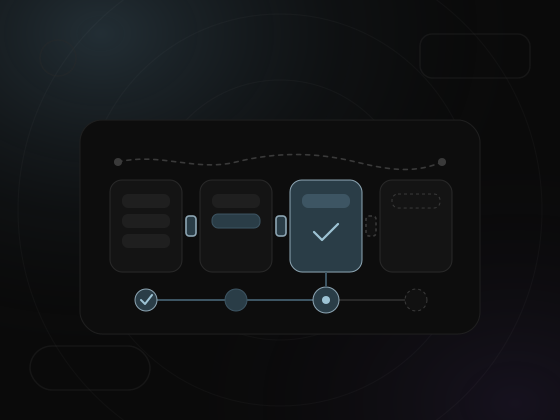
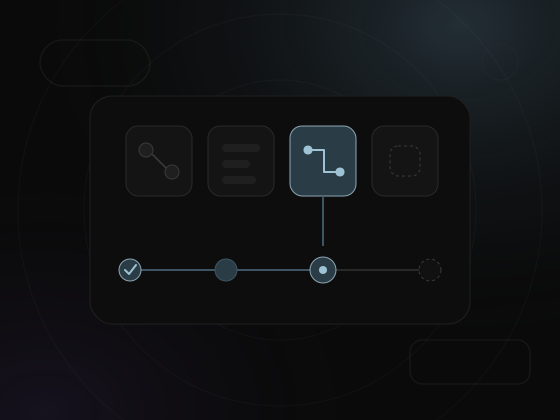
In practice that means a fixed order of work:
- An audit. A pass over your marketing, sales and internal processes to find where time and leads leak out.
- An action plan. A prioritised list you can act on with or without me.
- A build. AI agents, funnels, CRM wiring and email sequences, installed inside the tools you already use.
- A handover. Documentation, so the system makes sense to someone other than the person who built it.
That sequence is the same one I use for the AI Makeover, which runs over four weeks from kick-off. The point is that you are not left with a slide deck of recommendations.
What a traditional agency does well
It is easy to write an agency off, and that would be unfair. I know the model well, because I built a white label agency and sold my share of it in 2023, which I wrote up in the story of building and selling a digital marketing agency.
Agencies are good at several things a single consultant is not:
- Ongoing volume. If you need a steady output across several channels, a team covers holidays, sickness and peaks.
- Specialist depth in one place. A strong paid media team can spend years inside one platform.
- Production. Video, design and large content programmes need people with those skills in the room.
- Someone else’s job. Some owners simply want marketing taken off their desk entirely.
If that is your situation, a consultant is the wrong shape of help. Read that as a recommendation rather than a hedge.
Where AI beats a traditional agency
The strongest cases are the ones where the work is repetitive, rule-driven and time-sensitive. A person doing it by hand is slow and expensive. Software is neither.
Speed of response
A new enquiry that gets an answer in a minute is worth more than one that waits until Monday. An AI agent can answer, ask the qualifying questions and book the call at any hour. For an events hire company, I built exactly that, and it saves 25hrs a week of answering the same questions.
Repetitive production
Research, first drafts, reporting and social scheduling are all tasks where a well-briefed AI agent is faster than a person starting from a blank page. For a marketing agency, I built agents that took over link building, copywriting, research and posting, saving 35hrs a week. A person still signs off the output, which is the part that matters.
Joining the dots
Agencies often work in one channel at a time, with separate reports. A consultant who connects advertising data to your CRM can see which clicks became sales. That is what moved an insurance broker from just under 100% to 300% return on ad spend, because the decisions were made on real sales data rather than click counts.
Ownership
When the build is yours, stopping the work does not switch it off. A retainer ends and the output stops. A system keeps running, which changes the maths over a year or two even though the first invoice can look similar.
Where AI does not beat an agency
This section matters more than the one above, because the claims in this market run ahead of what the tools can do.
Judgement and positioning. AI can produce ten headlines in seconds. It cannot decide what your business should stand for, or which of your services is worth pushing this quarter. That remains a human decision.
Original material. Models work from what already exists. Your own case studies, opinions and customer stories are what make content worth reading, and Google is clear that what matters is the quality and usefulness of content, however it is produced. Mass-produced pages without added value are a risk, not a shortcut.
Relationships and reputation. Press, partnerships and trust are built between people. Software can help with the admin around them, not the relationship.
Creative direction. A strong brand film, a photoshoot or a distinctive design system still needs a creative team.
Accountability for mistakes. An unreviewed automation can send the wrong message to a lot of people very quickly. I build a human check into what goes out.
It also needs saying that handing customer data to AI tools has legal weight in the UK. The ICO’s guidance on AI and data protection applies to marketing as much as anything else, and any consultant should be able to explain how your data is handled before they touch it.
Hiring both is a real option
It does not have to be one or the other. A common and sensible split is to have a consultant build the infrastructure, such as the funnel, the CRM, the automations and the reporting, while a specialist handles a piece that benefits from a dedicated team, such as large-scale media buying or video production. The consultant’s work then makes the specialist more effective, because leads are followed up and measured properly.
If you want the wider comparison of the two ways of buying AI help, I have covered it in AI automation agency vs freelance consultant and in what an AI automation consultant does.
How to decide
Run through these questions in order.
- Is the problem a system or a service? A leaking funnel, slow follow-up or manual reporting is a system problem. A need for constant fresh creative is a service problem.
- Do you want to own the outcome? If yes, lean towards a build. If you want it off your desk, lean towards a retainer.
- How repetitive is the work? The more it repeats, the more AI is worth.
- How much can you review? Automation needs a human check. Be honest about who that person is.
- What does it cost over a year, not a month? Compare the build plus upkeep with twelve retainer payments. I do not give a generic figure here, because it depends entirely on scope, which is why I price after an audit.
Questions to ask whoever you hire
- Who builds the work, and who checks it? The answer should be a named person.
- What will I own when you finish? Logins, documentation and the automations themselves should be yours.
- Is the quote given after an audit? A price before anyone has looked at your marketing is a guess.
- Can you show a real result? Ask for specifics, and ask what was done, not only the headline number.
- What happens when it breaks? Every system does eventually.
The same logic sits behind my checklist for choosing an AI SEO agency, if search is the part you are buying.
How I work
I am one freelance consultant, so the person who audits your marketing is the person who builds the fix. I come from ten years of digital marketing, which means the AI work sits on top of marketing fundamentals rather than replacing them. If you want the wider market picture, the Marketing AI Institute’s State of Marketing AI report is a useful independent read on how marketers are adopting AI.
If you are weighing the options, a consultation call is the quickest way to find out whether yours is a single fix or a fuller rebuild, and whether you need me at all.